
Using Japanese Sake in Spanish Blue Lobster Stock
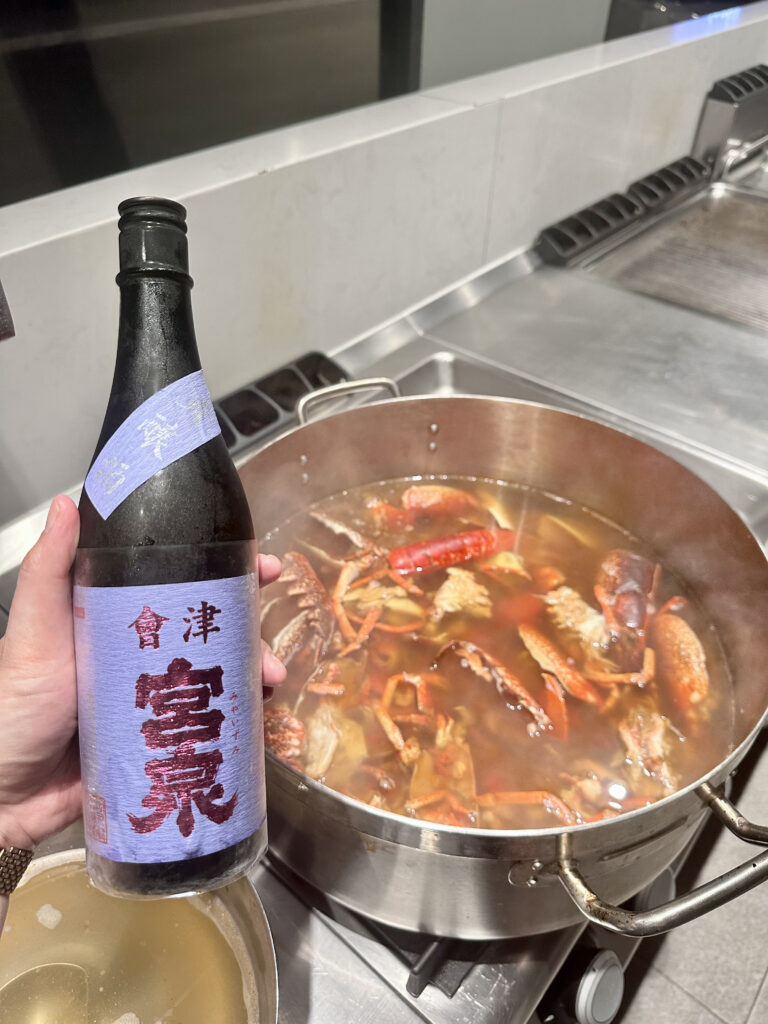
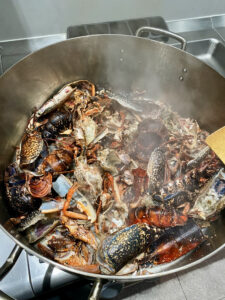


Using Japanese Sake in Spanish Blue Lobster Stock
เมื่อสาเกญี่ปุ่นถูกใช้เพื่อยกระดับน้ำสต๊อกบลูล็อปสเตอร์สเปน
Introduction
In classic European cuisine, lobster stock is traditionally built with white wine, cognac, or brandy.
These ingredients add acidity, alcohol warmth, and depth. However, at SOPA Restaurant, we believe that technique should always serve the ingredient — not the other way around.
ในบทความนี้ เชฟจะเล่าถึงแนวคิดเบื้องหลังการเลือกใช้ สาเกญี่ปุ่น (Japanese sake)
แทนไวน์หรือคอนญัก ในการทำน้ำสต๊อก Spanish Blue Lobster
เพื่อให้ได้รสชาติที่ใส สะอาด และดึงความหวานธรรมชาติของวัตถุดิบออกมาอย่างแท้จริง
Understanding Blue Lobster from Spain
Blue Lobster from Spain is known for its clean sweetness, mineral aroma, and delicate shell fragrance.
Unlike cold-water lobsters with aggressive iodine notes, Spanish blue lobster offers a softer, more elegant profile.
บลูล็อปสเตอร์จากสเปนมีลักษณะเด่นคือ
-
ความหวานที่นุ่ม ไม่แหลม
-
กลิ่นเปลือกที่สะอาด
-
โครงสร้างรสชาติที่ละเอียดอ่อน
ดังนั้น การปรุงที่ “แรงเกินไป” จะทำให้ character ของวัตถุดิบหายไปทันที
Why Not Wine?
White wine and cognac introduce acidity and alcohol sharpness.
While suitable for robust stocks, they can overpower delicate shellfish.
ไวน์ให้ความเปรี้ยว
คอนญักให้ความร้อนของแอลกอฮอล์
แต่สำหรับบลูล็อปสเตอร์ เราไม่ได้ต้องการ “ความเข้ม”
เราต้องการ clarity
The Role of Japanese Sake
Japanese sake — especially Junmai-style sake with lactic sweetness — offers a different role in cooking.
คุณสมบัติของสาเกญี่ปุ่นที่เชฟเลือก:
-
ความหวานโทน lactic (คล้าย Calpis)
-
กรดอ่อน ไม่กัดกลิ่นเปลือก
-
แอลกอฮอล์ต่ำและระเหยง่าย
-
ช่วยดึง umami จากเปลือกกุ้งและปู
This makes sake an ideal medium for extracting sweetness without masking aroma.
Technique Over Tradition
This approach is not a classical French recipe.
It does not exist in Escoffier or Bocuse textbooks.
แต่มันคือ chef-driven technique
เกิดจากการเข้าใจวัตถุดิบ + เข้าใจเครื่องมือ
ไม่ใช่การยึดติดกับประเทศหรือวัฒนธรรมใดวัฒนธรรมหนึ่ง
Stock Characteristics
By using Japanese sake, the resulting lobster stock becomes:
-
Clear and bright
-
Naturally sweet without added sugar
-
Aromatic without alcohol harshness
-
Balanced and refined
น้ำสต๊อกที่ได้:
-
ใส ไม่ขุ่น
-
หวานจากล็อปสเตอร์จริง
-
กลิ่นเปลือกชัด
-
ไม่ต้องพึ่งน้ำตาลหรือไวน์
A Dialogue Between Japanese and Spanish Cuisine
Japanese cuisine respects purity and restraint.
Spanish cuisine celebrates product-driven intensity.
At SOPA Restaurant, we believe the future of fine dining lies in dialogue — not fusion.
นี่ไม่ใช่ Japanese-French
ไม่ใช่ Spanish-Japanese
แต่คือ ingredient-first philosophy
Why This Matters in Fine Dining
In modern fine dining, guests seek clarity, not complexity.
They want to taste the ingredient — not the technique.
น้ำสต๊อกคือหัวใจของอาหารทะเล
และทุกการตัดสินใจในหม้อสต๊อก
สะท้อนตัวตนของเชฟอย่างชัดเจนที่สุด
SOPA Restaurant Philosophy
At SOPA Restaurant Bangkok, we work exclusively with premium Spanish ingredients while applying global culinary intelligence.
เราศึกษาเทคนิค
แต่ไม่ยึดติด
เราเคารพวัตถุดิบ
และปล่อยให้มันพูดด้วยตัวมันเอง
Final Thoughts
Using Japanese sake in Spanish Blue Lobster stock is not about innovation for novelty.
It is about choosing the right tool to reveal the true voice of the ingredient.
บางครั้ง การปรุงที่ดีที่สุด
คือการ “ไม่ปรุงเกินจำเป็น”
📍 About SOPA Restaurant
SOPA Restaurant is a Spanish fine dining restaurant in Bangkok, offering tasting menus and à la carte dishes crafted from 100% Spanish ingredients, guided by chef-driven techniques and global culinary philosophy.
☎️ 065-971-5977
📍 Google Map: SOPA Spanish Cuisine
https://maps.app.goo.gl/mMT6MCD6aAmZdptZ6?g_st=ic
80 ถ.สิรินธร แขวง-เขต บางพลัด
กทม 10700