


Food Business Lecturer Thailand: ถ่ายทอดประสบการณ์ธุรกิจอาหารจากครัวจริงสู่ห้องเรียนที่เกาะสมุย
การเป็น Food Business Lecturer Thailand สำหรับผมไม่ได้หมายถึงการนำความรู้ไปบอกนักศึกษาเพียงฝ่ายเดียว แต่คือการนำประสบการณ์จากครัว ร้านอาหาร และการทำธุรกิจจริง ไปแลกเปลี่ยนกับคนรุ่นใหม่ที่กำลังเริ่มต้นเส้นทางของตัวเอง
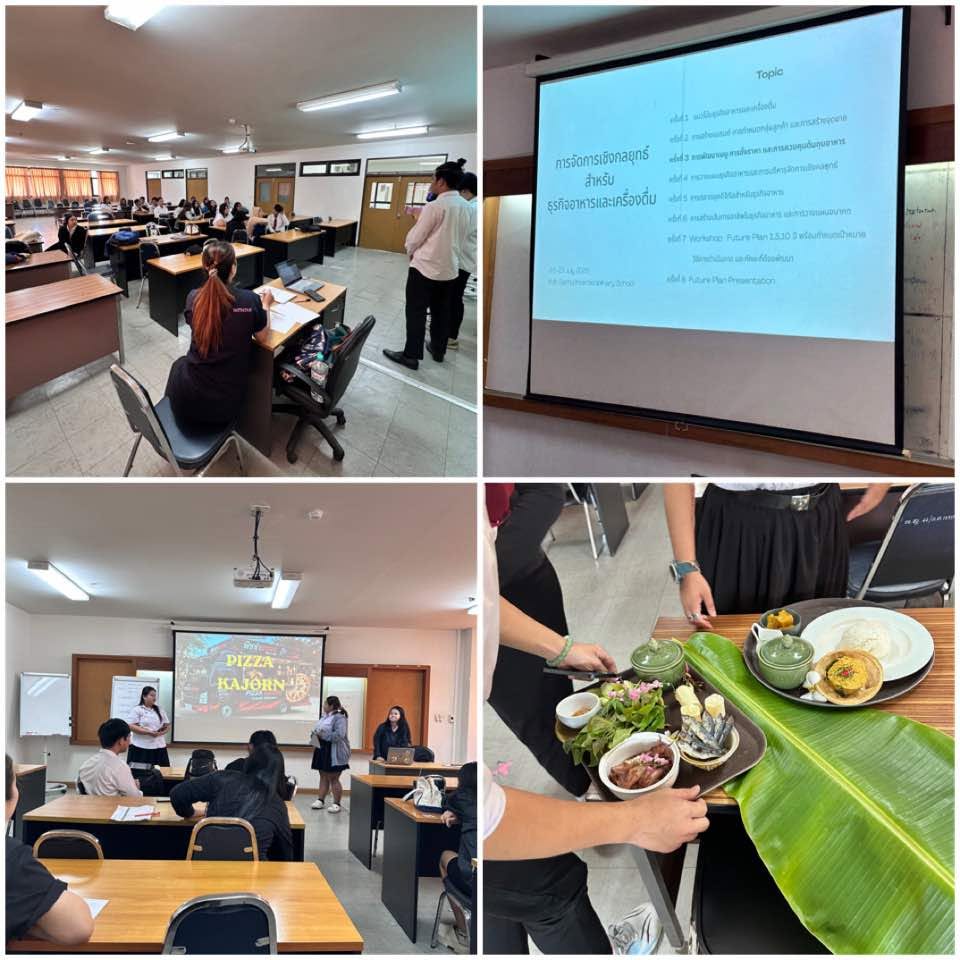
ในช่วงวันที่ 30–31 กรกฎาคม 2026 ผมได้รับเกียรติให้ร่วมเป็นอาจารย์พิเศษกับสาขาวิชาศิลปะการประกอบอาหารไทยและอาหารนานาชาติ วิทยาลัยนานาชาติการท่องเที่ยว มหาวิทยาลัยราชภัฏสุราษฎร์ธานี ณ Koh Samui Interdisciplinary School หรือ KIS บนเกาะสมุย
หัวข้อหลักของการเรียนครั้งนี้คือ การจัดการเชิงกลยุทธ์สำหรับธุรกิจอาหารและเครื่องดื่ม เนื้อหาไม่ได้หยุดอยู่แค่การทำอาหารให้อร่อย แต่ครอบคลุมตั้งแต่แนวคิดธุรกิจ กลุ่มลูกค้า การออกแบบเมนู การตลาด การตั้งราคา การควบคุมต้นทุน ไปจนถึงการวางแผนธุรกิจที่สามารถนำไปใช้จริงได้
จากทักษะการทำอาหารสู่ความเข้าใจเรื่องธุรกิจ
หลายคนเริ่มต้นเส้นทางในวงการอาหารจากความรักในการทำอาหาร อย่างไรก็ตาม ร้านอาหารที่ประสบความสำเร็จต้องอาศัยมากกว่าฝีมือในครัว
อาหารอาจสวยและอร่อย แต่หากตั้งราคาไม่ถูก ควบคุมต้นทุนไม่ได้ หรือไม่เข้าใจว่าลูกค้าคือใคร ธุรกิจก็อาจเดินต่อได้ยาก ด้วยเหตุนี้ ผมจึงเริ่มการเรียนจากการชวนให้นักศึกษามองร้านอาหารเป็นภาพรวม
คำถามแรกไม่ใช่ “วันนี้จะทำเมนูอะไร” แต่เป็นคำถามว่า
เรากำลังสร้างธุรกิจนี้ให้ใคร และลูกค้าคนนั้นมีเหตุผลอะไรที่จะเลือกเรา
เมื่อนักศึกษาเริ่มเห็นกลุ่มลูกค้าอย่างชัดเจน การคิดชื่อร้าน บรรยากาศ เมนู ราคา ช่องทางการขาย และการสื่อสารก็เริ่มเชื่อมโยงกัน ทุกองค์ประกอบต้องเล่าเรื่องเดียวกัน ไม่ใช่ต่างคนต่างทำ
นี่คือพื้นฐานสำคัญของการจัดการธุรกิจร้านอาหาร และเป็นหัวใจของบทบาท Restaurant Business Lecturer ที่ผมตั้งใจนำมาแบ่งปันในชั้นเรียนครั้งนี้
Workshop จากแนวคิดสู่แผนธุรกิจที่จับต้องได้
ช่วง Workshop เป็นส่วนที่ผมชอบมากที่สุด เพราะนักศึกษาไม่ได้เพียงนั่งฟัง แต่ต้องลงมือคิดและตัดสินใจจริง
แต่ละกลุ่มได้รับโจทย์ให้พัฒนาแนวคิดธุรกิจอาหารของตนเอง จากนั้นจึงค่อย ๆ วางโครงสร้าง ตั้งแต่ชื่อและตัวตนของแบรนด์ ไปจนถึงเมนู กลุ่มเป้าหมาย ราคา การตลาด และต้นทุนเบื้องต้น
ผมให้ทุกกลุ่มเริ่มต้นด้วยเงินลงทุนสมมติคนละ 500,000 บาท เพื่อให้การคิดมีกรอบที่ใกล้เคียงโลกธุรกิจมากขึ้น เงินลงทุนไม่ได้มีไว้เพื่อทำร้านให้ดูใหญ่ที่สุด แต่ต้องนำไปใช้กับสิ่งที่สำคัญต่อประสบการณ์ของลูกค้าและการดำเนินงานของร้าน
นักศึกษาต้องตัดสินใจว่าเงินควรไปอยู่ตรงไหนมากที่สุด เช่น อุปกรณ์ครัว วัตถุดิบ การตกแต่ง การตลาด ค่าแรง หรือเงินสำรอง ทุกทางเลือกมีต้นทุน และทุกการตัดสินใจส่งผลต่อความอยู่รอดของธุรกิจ
กิจกรรมนี้ช่วยให้นักศึกษาเห็นว่า Business Plan ไม่ใช่เอกสารที่เขียนขึ้นเพื่อส่งอาจารย์เท่านั้น แต่เป็นเครื่องมือที่ช่วยให้เจ้าของร้านมองเห็นความเสี่ยงก่อนเริ่มลงทุนจริง
เมนูที่ดีต้องเชื่อมกับลูกค้า ราคา และการผลิต
อีกหัวข้อที่ให้ความสำคัญคือการออกแบบเมนู เพราะเมนูเป็นจุดที่ความคิดสร้างสรรค์และการบริหารต้องทำงานร่วมกัน
เมนูที่ดีไม่จำเป็นต้องมีจำนวนมาก แต่ต้องตอบคำถามสำคัญได้ว่า ลูกค้าต้องการอะไร ร้านมีความถนัดด้านใด และทีมสามารถผลิตอาหารได้อย่างสม่ำเสมอหรือไม่
ระหว่างการนำเสนอ ผมชวนแต่ละกลุ่มวิเคราะห์เมนูของตัวเองผ่านหลายมิติ เช่น
- เมนูใดเป็นตัวแทนของร้าน
- เมนูใดช่วยสร้างกำไร
- เมนูใดใช้วัตถุดิบร่วมกันได้
- เมนูใดใช้เวลาผลิตนานเกินไป
- ราคาขายเหมาะกับกลุ่มลูกค้าหรือไม่
- หน้าตาอาหารสนับสนุนภาพลักษณ์ของแบรนด์หรือไม่
เมื่อมองครบทุกด้าน นักศึกษาจะเริ่มเข้าใจว่าเมนูไม่ใช่เพียงรายชื่ออาหาร แต่เป็นหนึ่งในเครื่องมือบริหารธุรกิจที่สำคัญที่สุด
แนวคิดนี้เป็นสิ่งที่ผมใช้จริงทั้งในการบริหาร SÓPA Restaurant และในการให้บริการด้าน Menu Development และ Restaurant Consulting แก่ผู้ประกอบการร้านอาหาร
Food Cost ไม่ใช่เรื่องของตัวเลขเพียงอย่างเดียว
หนึ่งในประเด็นที่เจ้าของร้านใหม่มักกังวลคือการคำนวณต้นทุนอาหาร หรือ Food Cost
ผมอธิบายให้นักศึกษาฟังว่า การควบคุมต้นทุนไม่ได้หมายถึงการเลือกวัตถุดิบที่ถูกที่สุดเสมอไป แต่คือการใช้วัตถุดิบอย่างมีเหตุผล และทำให้คุณค่าที่ลูกค้าได้รับสัมพันธ์กับราคาขาย
ต้นทุนอาหารต้องพิจารณาร่วมกับค่าแรง ค่าเช่า บรรจุภัณฑ์ ค่าไฟ การตลาด ของเสีย และเวลาในการผลิต หากคำนวณเพียงราคาวัตถุดิบ ร้านอาจตั้งราคาต่ำเกินไปโดยไม่รู้ตัว
ในทางกลับกัน การตั้งราคาสูงโดยไม่มีเหตุผลที่ลูกค้าเข้าใจก็ไม่ใช่คำตอบเช่นกัน ร้านต้องสร้างคุณค่าให้ชัด ตั้งแต่วัตถุดิบ เทคนิค รสชาติ การบริการ ไปจนถึงประสบการณ์ทั้งหมด
ดังนั้น Food Cost จึงไม่ได้เป็นเพียงสูตรคำนวณ แต่เป็นเครื่องมือช่วยให้ร้านเลือกทิศทางที่เหมาะสมกับตัวเอง
การตลาดต้องเริ่มจากความชัดเจนของธุรกิจ
ในชั้นเรียนครั้งนี้ ผมไม่ได้เริ่มสอนการตลาดจากการถามว่าจะลง Instagram หรือ TikTok อย่างไร แต่เริ่มจากการถามว่า ร้านต้องการให้ลูกค้าจดจำเรื่องอะไร
หากแบรนด์ยังไม่ชัด ต่อให้ผลิตคอนเทนต์จำนวนมาก ลูกค้าก็อาจยังไม่เข้าใจว่าร้านแตกต่างจากคู่แข่งอย่างไร
นักศึกษาจึงต้องกำหนดข้อความหลักของร้านก่อน เช่น ร้านนี้เหมาะกับใคร ขายประสบการณ์แบบใด มีเมนูใดเป็นจุดเด่น และเหตุผลอะไรที่ทำให้คนอยากกลับมาอีกครั้ง
หลังจากนั้นจึงค่อยเลือกแพลตฟอร์ม รูปแบบภาพ ภาษา และโปรโมชั่นให้เหมาะสม การตลาดที่ดีไม่ใช่การพูดเสียงดังที่สุด แต่เป็นการสื่อสารให้คนที่ใช่เข้าใจเราได้เร็วที่สุด
Food Styling เพื่อการสื่อสาร ไม่ใช่เพียงความสวยงาม
ช่วงท้ายของกิจกรรม นักศึกษาได้ทดลองจัดอาหารและสร้างฉากสำหรับการถ่ายภาพ แม้ว่าวัตถุดิบและอุปกรณ์จะมีข้อจำกัด แต่หลายกลุ่มสามารถพัฒนาไอเดียได้อย่างน่าสนใจ
ผมชอบที่ทุกคนกล้าทดลอง ทั้งการเลือกภาชนะ การจัดองค์ประกอบ การใช้สี และการกำหนดมุมกล้อง บางกลุ่มใช้แนวคิดเรียบง่าย ขณะที่บางกลุ่มสร้างภาพที่มีความสนุกและชัดเจนตามบุคลิกของแบรนด์
สิ่งสำคัญของ Food Styling ไม่ใช่การตกแต่งให้มากที่สุด แต่คือการทำให้ลูกค้าเห็นภาพแล้วเข้าใจทันทีว่าอาหารจานนี้ให้อารมณ์แบบใด และเหมาะกับร้านประเภทไหน
ภาพอาหารที่ดีต้องยังคงความน่ากิน ขณะเดียวกันก็ต้องสื่อสารตัวตนของธุรกิจได้อย่างตรงไปตรงมา
สิ่งที่ผมได้เรียนรู้จากนักศึกษา
แม้ผมจะได้รับเชิญมาในฐานะ Food Business Lecturer Thailand แต่ทุกครั้งที่เข้าห้องเรียน ผมเองก็ได้เรียนรู้กลับไปเช่นกัน
คนรุ่นใหม่มองธุรกิจด้วยสายตาที่แตกต่าง พวกเขากล้าผสมแนวคิดใหม่ ใช้สื่อได้อย่างเป็นธรรมชาติ และไม่กลัวที่จะสร้างสิ่งที่แตกต่างจากรูปแบบเดิม
หน้าที่ของผู้สอนไม่ควรเป็นการบอกว่าสิ่งใดถูกหรือผิดเพียงอย่างเดียว แต่ควรช่วยให้ผู้เรียนตั้งคำถามได้ดีขึ้น เห็นผลกระทบของการตัดสินใจ และสามารถอธิบายเหตุผลของแนวคิดตนเองได้
ผมประทับใจความตั้งใจของนักศึกษาทุกกลุ่ม โดยเฉพาะเวลาที่เห็นทุกคนช่วยกันปรับแผน แก้ปัญหา และนำเสนอแนวคิดที่ค่อย ๆ ชัดขึ้นจากวันแรก
จากประสบการณ์ในครัวสู่การพัฒนาผู้ประกอบการรุ่นใหม่
เส้นทางของผมเริ่มต้นจากการเรียนและทำงานในสายอาหาร ก่อนจะต่อยอดสู่การเปิดร้าน การพัฒนาเมนู การฝึกอบรมทีม และการให้คำปรึกษาธุรกิจร้านอาหาร
ประสบการณ์เหล่านี้ทำให้ผมเห็นว่า ความรู้ในตำราและความรู้จากการทำงานจริงต่างมีคุณค่า เมื่อทั้งสองส่วนเชื่อมกัน ผู้เรียนจะเข้าใจภาพของธุรกิจได้ลึกขึ้น
ผมหวังว่าสิ่งที่แบ่งปันในครั้งนี้จะช่วยให้นักศึกษาไม่เพียงทำอาหารได้ดี แต่สามารถคิดเป็นระบบ เข้าใจต้นทุน มองเห็นลูกค้า และวางแผนอนาคตของตนเองได้ชัดเจนขึ้น
ขอขอบคุณคณาจารย์และทีมงานของ Koh Samui Interdisciplinary School ที่ให้การต้อนรับอย่างอบอุ่น รวมถึงนักศึกษาทุกคนที่ตั้งใจเรียน กล้าถาม กล้าคิด และกล้านำเสนอ
ผมหวังว่าจะได้กลับมาแลกเปลี่ยนประสบการณ์กับทุกคนอีกในอนาคตครับ
English Version: Connecting Culinary Skills with Real Restaurant Business
Being invited as a Food Business Lecturer Thailand is not only an opportunity to teach. It is also a chance to connect real restaurant experience with the ideas of the next generation.
On 30–31 July 2026, I joined students from the Thai and International Culinary Arts program at the International School of Tourism, Suratthani Rajabhat University, at Koh Samui Interdisciplinary School.
The main topic was Strategic Management for Food and Beverage Business. However, the class went beyond a traditional lecture. We explored how culinary skills connect with customers, branding, menu planning, pricing, marketing, food cost and long-term business decisions.
A Restaurant Needs More Than Good Food
Many young chefs begin with a passion for cooking. That passion is important, but a successful restaurant also needs structure.
A dish may taste excellent. Still, the business can struggle when its price is incorrect, its target customer is unclear or its operation is too complicated.
Therefore, I asked the students to begin with one essential question:
Who is this business designed for, and why should that customer choose it?
Once the target customer became clear, the students could make stronger decisions about their concept, menu, atmosphere, price and communication.
Every part of a restaurant should support the same identity. A luxury concept, for example, requires more than expensive ingredients. The service, design, language, presentation and customer journey must also feel consistent.
Building a Practical Business Plan
During the workshop, each group developed its own food business concept. They received a simulated investment budget of 500,000 THB and had to decide how to use it.
The students considered kitchen equipment, ingredients, labour, decoration, marketing and cash reserves. They quickly discovered that every decision affected another part of the business.
Spending more on decoration could reduce the budget available for equipment. Creating too many menu items could increase stock, preparation time and food waste. Setting a low price could attract customers, but it could also make the business unsustainable.
This exercise helped transform the business plan from an academic document into a practical decision-making tool.
Menu Development as a Business Strategy
A menu must do more than present attractive dishes. It must match the customer, the kitchen capacity, the brand and the expected selling price.
Each group reviewed its menu and identified its signature item, its profitable dishes and the products that could share ingredients. They also examined preparation time and operational difficulty.
A smaller, focused menu can often perform better than a large menu without direction. It allows the team to maintain quality, control stock and communicate the restaurant’s identity more clearly.
This is also the approach I use in professional menu development. Creativity remains important, but every creative decision must work within the realities of production and business.
Understanding Food Cost and Value
Food cost was another important topic in the class.
Controlling food cost does not mean buying the cheapest ingredients. It means selecting the right ingredients, using them efficiently and creating enough value to support the selling price.
Restaurant pricing must also consider labour, rent, energy, packaging, marketing, waste and preparation time. When owners calculate only the ingredient cost, they may unintentionally sell a product below its sustainable price.
At the same time, a high price needs a clear reason. Customers should understand the value through ingredient quality, technique, service, presentation or the complete dining experience.
Marketing Begins with a Clear Identity
Before choosing a social media platform, a business must first decide what it wants customers to remember.
Content cannot solve an unclear concept. A restaurant may post every day, but customers will still feel confused when its message changes from one post to another.
Therefore, each group defined its target customer, main selling point and brand message before planning its communication.
Good marketing does not need to speak to everyone. It needs to communicate clearly with the right audience.
Food Styling as Visual Communication
The final activity connected business planning with food styling and photography.
The students arranged dishes, selected tableware, built simple scenes and experimented with different angles. They worked with limited resources, which encouraged practical creativity.
Food styling should not focus only on decoration. Its purpose is to make the food attractive while communicating the personality of the brand.
A playful café, a casual street-food concept and a fine-dining restaurant should not present food in the same way. The image must support the experience that the business wants to sell.
Learning Goes in Both Directions
Although I joined the class as a Guest Chef Lecturer Thailand, the students also gave me new perspectives.
Young people are comfortable with new media, flexible ideas and unconventional combinations. They often see opportunities that experienced professionals may overlook.
My role was not to make every group think in the same way. Instead, I wanted them to understand the consequences of their decisions and explain the reasoning behind their concepts.
I was pleased to see the development of each group. Their ideas became clearer as they discussed customers, costs, menus and marketing together.
Supporting the Next Generation of Food Entrepreneurs
My own journey has included culinary education, professional kitchens, restaurant operations, menu development, team training and restaurant consulting.
These experiences have shown me that practical knowledge and academic learning are most powerful when they support each other.
I hope this workshop encouraged the students to think beyond cooking. A future chef or restaurant owner must also understand people, systems, numbers and communication.
Thank you to the lecturers and team at Koh Samui Interdisciplinary School for the warm welcome. Most importantly, thank you to every student who participated, asked questions and presented ideas with confidence.
I look forward to seeing how these ideas grow into successful culinary careers and food businesses in the future.
เกี่ยวกับ Chef Vacharobol Sopa
Chef Vacharobol Sopa คือ Executive Chef และผู้ก่อตั้ง SÓPA Restaurant ร้านอาหารสเปนในกรุงเทพฯ ซึ่งนำเสนออาหารที่ได้รับแรงบันดาลใจจากภูมิภาคต่าง ๆ ของประเทศสเปน นอกจากนี้ เชฟยังให้บริการด้านการพัฒนาเมนู การฝึกอบรมเชฟ และการให้คำปรึกษาธุรกิจร้านอาหาร
แนะนำ Internal Link:
- Restaurant Consulting Thailand
- Menu Development พร้อม Recipe และ Food Cost
- Private Culinary Training
- Spanish Culinary Program
- About Chef Vacharobol Sopa
- SÓPA Restaurant Reservations
แนะนำ Outbound Link:
เชื่อมไปยังเว็บไซต์อย่างเป็นทางการของมหาวิทยาลัยราชภัฏสุราษฎร์ธานี หรือหน้าข้อมูล Koh Samui Interdisciplinary School
Frequently Asked Questions
Food Business Lecturer Thailand สอนเรื่องอะไรบ้าง?
เนื้อหาครอบคลุมการสร้างแนวคิดร้านอาหาร การวิเคราะห์กลุ่มลูกค้า การพัฒนาเมนู การตั้งราคา การคำนวณ Food Cost การตลาด การวางระบบร้าน และการสร้างแผนธุรกิจ
Chef Vacharobol รับสอนหรือบรรยายให้กับองค์กรหรือไม่?
เชฟรับพิจารณางานบรรยาย Workshop และการฝึกอบรมที่เกี่ยวข้องกับอาหารสเปน การพัฒนาเมนู การบริหารร้านอาหาร และการสร้างธุรกิจอาหาร โดยรายละเอียดขึ้นอยู่กับหัวข้อ จำนวนผู้เข้าร่วม และรูปแบบกิจกรรม
SÓPA มีบริการ Restaurant Consulting หรือไม่?
SÓPA ให้บริการด้าน Restaurant Consulting, Menu Development, Recipe Development, Food Cost, Chef Training และการวางแนวคิดธุรกิจสำหรับร้านอาหารที่ต้องการพัฒนาเมนูและระบบการดำเนินงาน
Can Chef Vacharobol provide culinary and restaurant business training?
Yes. Training topics may include Spanish cuisine, menu development, restaurant concept planning, food cost, kitchen execution and practical restaurant management.
Social Media SEO
Facebook/LinkedIn Title:
จากครัวจริงสู่ห้องเรียน: ถ่ายทอดกลยุทธ์ธุรกิจอาหารให้นักศึกษาที่เกาะสมุย
Social Description:
Chef Vacharobol Sopa ร่วมเป็นอาจารย์พิเศษ ถ่ายทอดประสบการณ์ด้านเมนู ต้นทุน การตลาด Food Styling และการวางแผนธุรกิจอาหารให้กับนักศึกษาที่เกาะสมุย
Chef Vacharobol Sopa as Food Business Lecturer Thailand at Koh Samui Interdisciplinary School